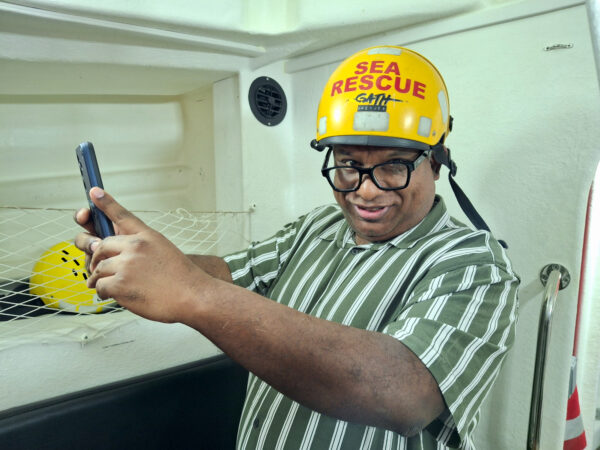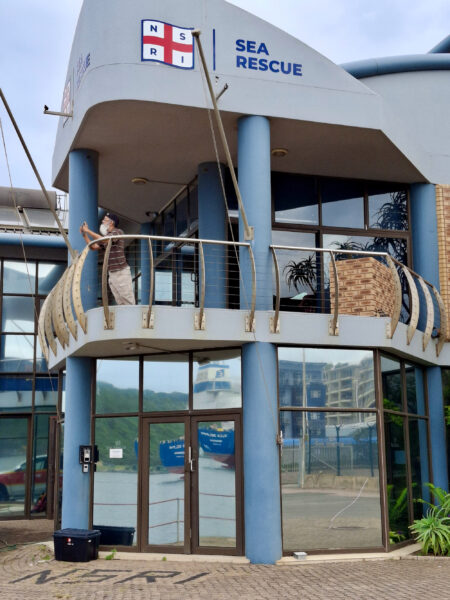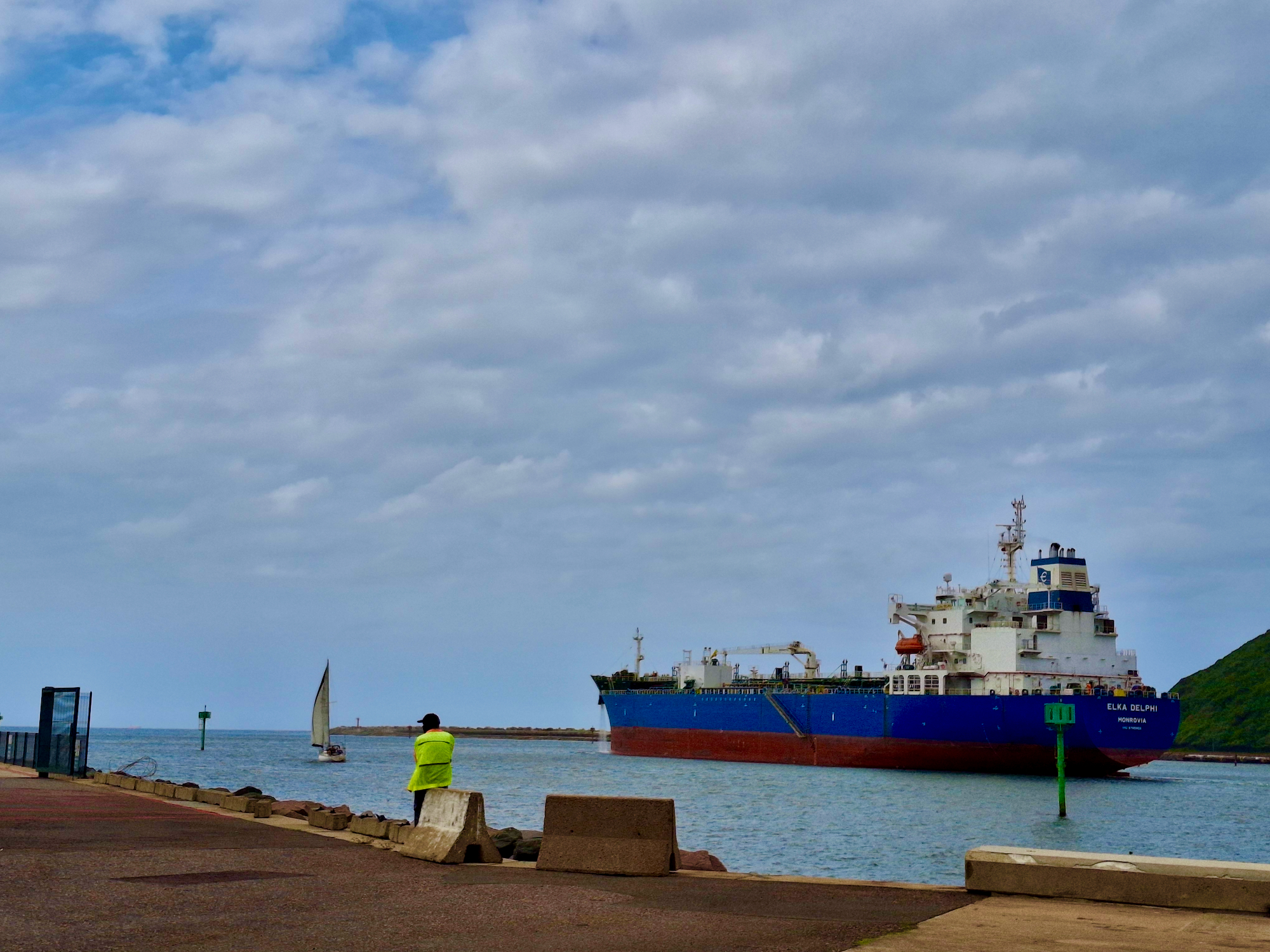
Safe and Sound: Safe and Found. The nautical play on words that greeted our University of KwaZulu-Natal (UKZN) alumnus group when we visited the Durban chapter of one of the most active, inspiring and effective non-profit volunteer organisations in South Africa.
It was in 1966 that four fishing vessels left the Stilbaai harbour on the Cape coast. Tragedy struck and only one returned.
The event spurred teacher from the area, Patti Price, who had been rescued as a child from a shipwreck in the English Channel. to start a campaign for a sea rescue service.
This is the background to South Africa’s National Sea Rescue Instutute (NSRI).
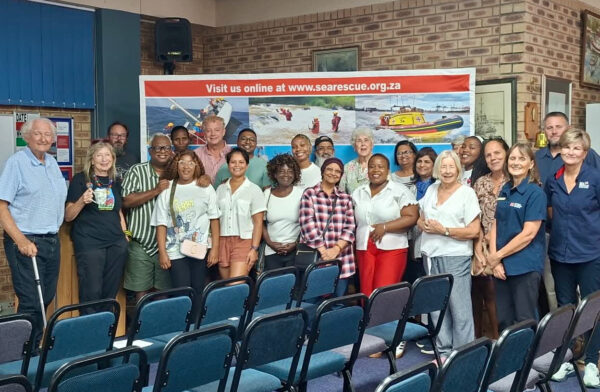
The invitation from Robin Ralfe , Chairman Durban UKZN Alumni Association, said we’d be wecomed by NSRI organiser in Durban, Helen Wienand. She would kick things off with an “engaging and informative” presentation, offering insight into the vital work of the NSRI in keeping people safe on South African waters.
We would learn about their network of 50-plus rescue stations across the country, their community projects, safety education initiatives, and the remarkable role played by volunteers and supporters of this non-profit organization that relies on fund-raising and donations, in saving lives.
All services to the public are free.
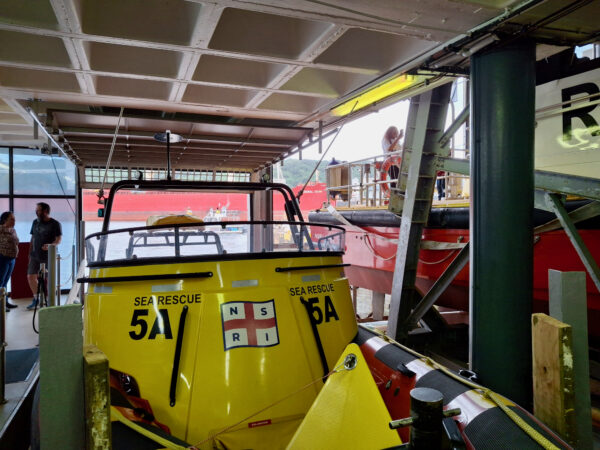
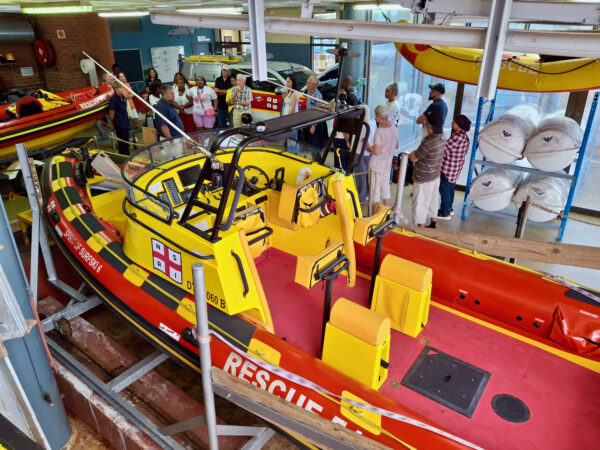
Then we’d have the opportunity to view the rescue boats up-close and from on board.
Some pick-ups from Helen Wienand.
Crews all volunteers.
There are 1,500 volunteers around the country.
They spend 90 percent of their time training and work at dams, rivers, during floods and in the sea. They learn first aid and firefighting.
There are 50 rescue stations round SA along the coast and at dams.
Volunteers on call 24/7 365 days as in every day, year-round.
There is the rescue arm, the education and a training arm, with a focus on drowning prevention.
In Durban in 2022 during a flood, they rescued 54 people on one night.
Survival swimming is taught at schools, which includes education around water safety; for instance, don’t swim alone.
They set up shipping container swimming pools — there are four now in areas where there are not pools available, including at Port St. Johns and Port Shepstone.
Be safe and found is their motto. This with1,069 call-outs last year (2025) — and 1,548 rescues. Also in 2025, 70 animals rescued and 25,000 survival swimming lessons given.