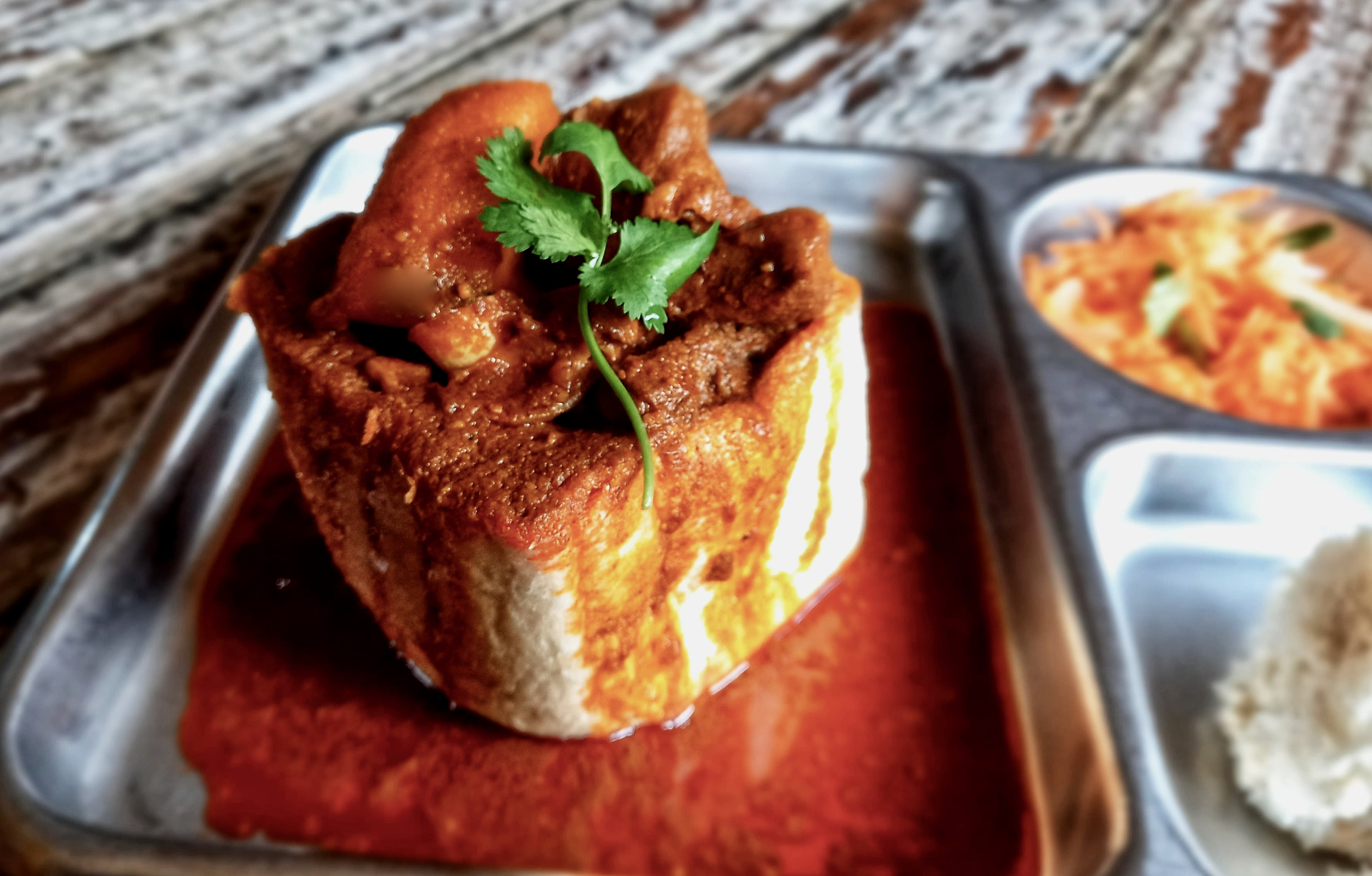
There’s no debate. Durban is the ancestral home of the bunny chow, writes Wanda Hennig.

And a bunny is a bunny, not a kota. So please, folks of Jozi, those of you who call a kota a bunny chow. Let’s make love and not war. We have no desire to capture your kota. By the same half-a-scooped-out-loaf token, you’re not currying favour — let alone flavour — with anyone here in Durbs by muscling in on our bunny chow heritage, tradition and exalted, if a tad eccentric, culinary gift to the world.
Food and identity are intertwined, to quote TGIFood writer-anthropologist Anna Trapido, in the context of a piece she wrote on the need for South Africa-specific epicurean emojis. Of course, it is a truism for us all, and so it is that I have an abiding memory of my first bunny chow, from more than 50 years ago.
My dad, a Pole, cooked European food. Including offal, synonymous with awful for my mother. (Not her food ID.) He taught me, as a kid, to fish. In the Durban harbour. And bought me a fishing rod with a coffee grinder reel.
Soon as I was old enough, 11 or 12, when on holiday from boarding school I would join the boy from across the road, the boy from the corner and the boy from the next street, and we would all walk, with our fishing rods, from near Tollgate Bridge to the docks. We fished near the spot where a ferry crossed the harbour mouth to the Bluff.
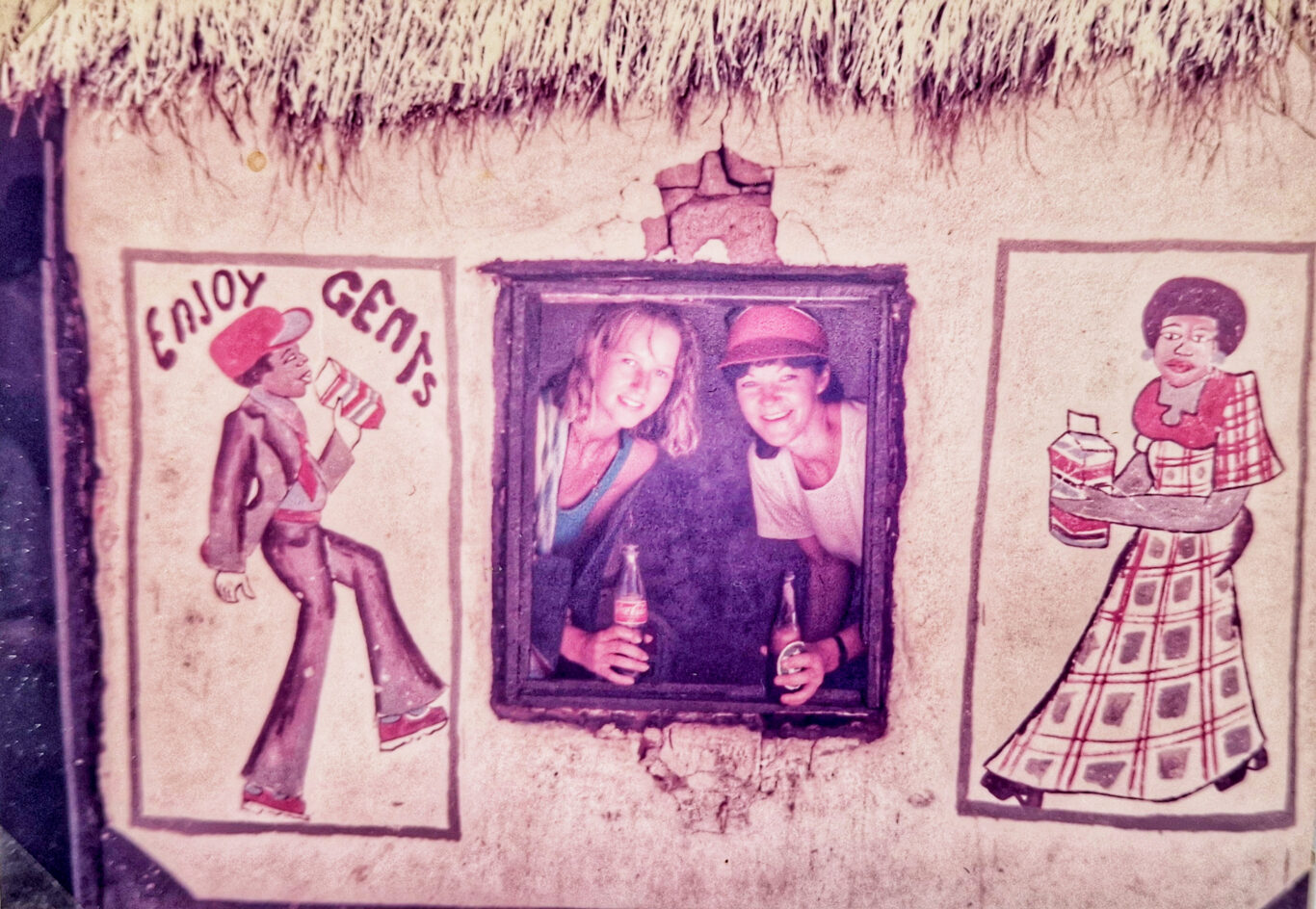
One day we must have had pocket money because one of my fellow fishers suggested buying something to eat. We were served through a push-open window of a rickety falling-down kiosk near where we fished. What we got turned out to be bunny chow, which I recall Peter, the oldest and biggest of us, knew about. The bunny chow came wrapped in newspaper. Click through to the read the full article Bunny chow love, Durban’s unique culinary gift to the world in the Daily Maverick.